
Does Gold Tarnish? The Honest Truth About Gold and Tarnishing
Pure gold does not tarnish. But most gold you own (your 10k ring, your 14k chain, your grandmother’s bracelet) is not pure gold. It is an alloy, a mixture of gold and other metals, and those other metals absolutely can tarnish over time.
So does gold tarnish in practice? For most people, yes, because most jewelry is made from gold alloys, not pure gold. If you are looking at a piece that has gone dull or dark and wondering whether it is still valuable, whether it is even real, or whether you should clean it before selling it, this guide answers all of that.
What Is Tarnish?
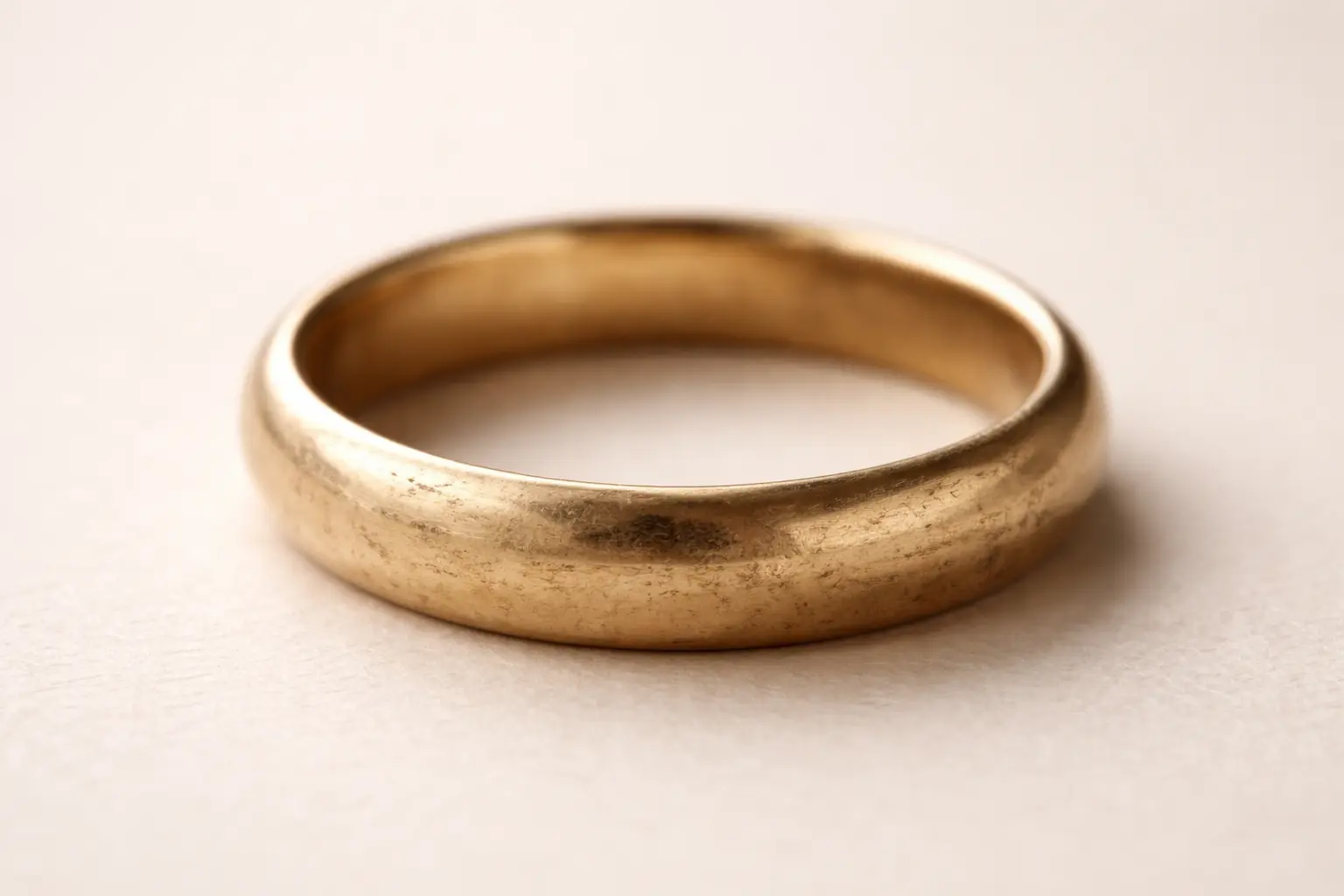
Tarnish is a thin layer of discoloration that forms on the surface of a metal when it reacts chemically with its environment. The main culprits are oxygen, sulfur compounds in the air, moisture, sweat, and everyday chemicals like perfume, lotion, and cleaning products.
It is not rust. Rust is iron oxide and only happens to iron and steel. Tarnish is a surface reaction. It sits on top of the metal and does not eat into it the way rust does. That distinction matters when you are thinking about value, which we will get to shortly.
Does Gold Tarnish? It Depends on the Karat
No. Pure gold (24 karat gold) is one of the least reactive elements on earth. According to the World Gold Council, gold’s chemical stability is one of its most valued properties. It does not oxidize, does not corrode, and does not tarnish under any normal conditions. This is actually one of the reasons gold became the basis of currency and wealth storage throughout human history. Ancient gold coins and artifacts pulled from the ground after thousands of years still look like gold.
The problem is that pure 24k gold is extremely soft. It scratches, bends, and dents too easily for everyday jewelry. So jewelers mix it with harder metals (copper, silver, nickel, zinc) to create alloys that are durable enough to wear. And those added metals are what can tarnish.
Which Gold Tarnishes: Karat by Karat
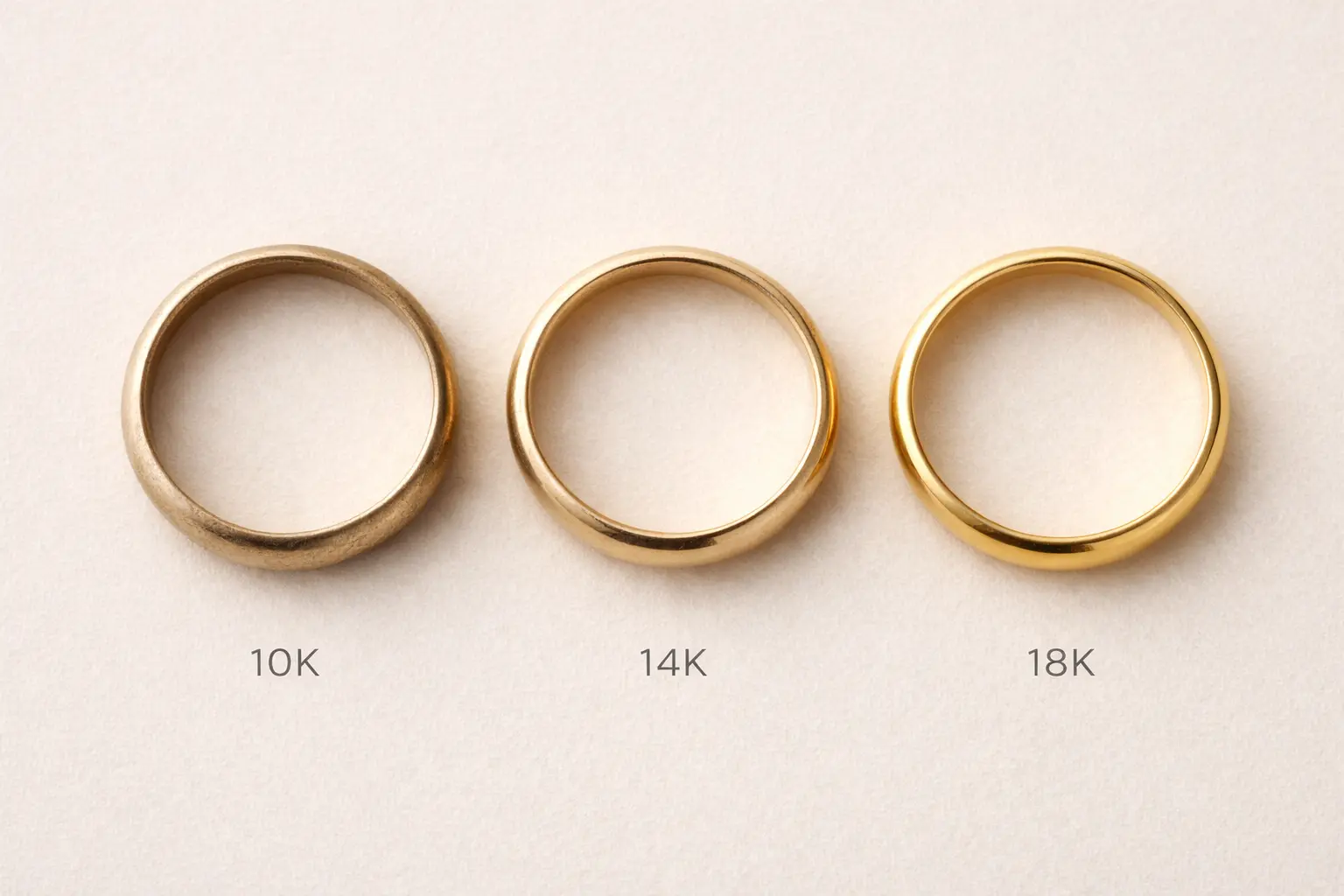
The karat number tells you how much pure gold is in a piece. The lower the karat, the more alloy metal it contains, and the more likely it is to tarnish.
| Karat | Gold Content | Tarnish Risk | Notes |
|---|---|---|---|
| 24k | 99.9% gold | None | Pure gold. Will not tarnish ever |
| 18k | 75% gold | Very low | Highly resistant. May dull slightly over years |
| 14k | 58.3% gold | Low to moderate | Most common in US jewelry. Tarnishes slowly with poor care |
| 10k | 41.7% gold | Moderate | More alloy than gold. More likely to discolor over time |
| 9k | 37.5% gold | Higher | Common in UK and Europe. Tarnishes faster than 10k |
Does Tarnish Mean the Gold Is Fake?
No, and this is one of the most important things to understand. Tarnished gold is not fake gold. It just means the piece has alloy metals in it that reacted with the environment. Real 10k, 14k and 18k gold can all tarnish.
What tarnish does tell you is that the piece is not 24k pure gold. If a piece is heavily tarnished or turns green, that is a sign it has a high copper or base metal content, typical of lower karat gold or gold-plated items.
Quick check: If tarnish appears quickly (within weeks of wearing) or the piece turns green or black, it may be gold-plated rather than solid gold. Solid gold tarnishes slowly. Gold-plated items can tarnish fast as the thin gold layer wears away and the base metal underneath reacts. Want to know for sure? See our guide on how to tell if gold is real.
Does Tarnish Affect Gold’s Value When Selling?
Here is what none of the jewelry care blogs will tell you, and it is the part that actually matters if you are thinking about selling.
Tarnish does not reduce the melt value of solid gold. When a gold buyer, refiner or pawn shop evaluates your piece, they are interested in the gold content by weight. They calculate how many grams of actual gold are in the piece based on its karat stamp and weight. A layer of surface tarnish does not change either of those numbers.
A tarnished 14k gold ring weighing 5 grams contains the same amount of gold as a perfectly polished 14k gold ring weighing 5 grams. The scrap gold value is identical.
The only scenario where appearance affects value is if you are selling to a private buyer or jewelry resale market (someone paying for the piece as jewelry, not as raw gold). In that case, condition matters more. But if you are selling to a gold buyer or refinery for melt value, tarnish is irrelevant to your payout.
Selling gold? Use our free scrap gold calculator to find out what your gold is worth based on live spot prices, tarnished or not.
Should You Clean Gold Before Selling It?
Generally, no. Here is why. Cleaning takes time and effort, and a gold buyer is going to assess the karat stamp and weight regardless of how shiny it looks. You are not going to get a higher offer because the piece is polished.
There is also a risk: aggressive cleaning can scratch or damage a piece, which could matter if you are selling jewelry-grade items to a resale buyer. And certain cleaning methods (baking soda, toothpaste, abrasive cloths) can actually scratch gold surfaces and remove hallmarks, which you want to preserve.
If the piece is heavily coated in grime and you cannot read the karat stamp, a gentle clean with mild dish soap and warm water to reveal the hallmark makes sense. But deep polishing before selling to a scrap buyer? Not worth it.
Gold Plated vs Solid Gold: Tarnish and What It Means for Sellers
This is a critical distinction. Gold-plated jewelry is a base metal (usually brass or copper) coated with a very thin layer of gold. That base metal tarnishes aggressively once the plating wears through, which is why plated pieces often turn dark or green quickly.
Gold-plated items have almost no scrap gold value. The gold layer is so thin that the weight of actual gold in the piece is negligible. If you are seeing fast, heavy tarnishing or green discoloration, the piece is likely plated rather than solid gold, and most gold buyers will either refuse it or pay pennies.
Solid gold tarnishes slowly and evenly. Gold-plated items tarnish fast and patchily, often starting where the piece rubs against skin. Knowing the difference before you walk into a buyer can save you time. Our guide on reading gold hallmarks can help you identify what you have.
Does Gold Rust?
No. Gold does not rust. Ever. Rust is iron oxide, a reaction specific to iron and steel. Gold contains no iron and cannot form rust regardless of how much moisture or oxygen it is exposed to.
What people sometimes call “rust” on gold jewelry is usually tarnish from the alloy metals, or in the case of plated jewelry, rust from the base metal beneath showing through once the gold layer wears away. If you see actual reddish-brown rust on something sold as gold, it is almost certainly not solid gold.
What Does Tarnished Gold Look Like?
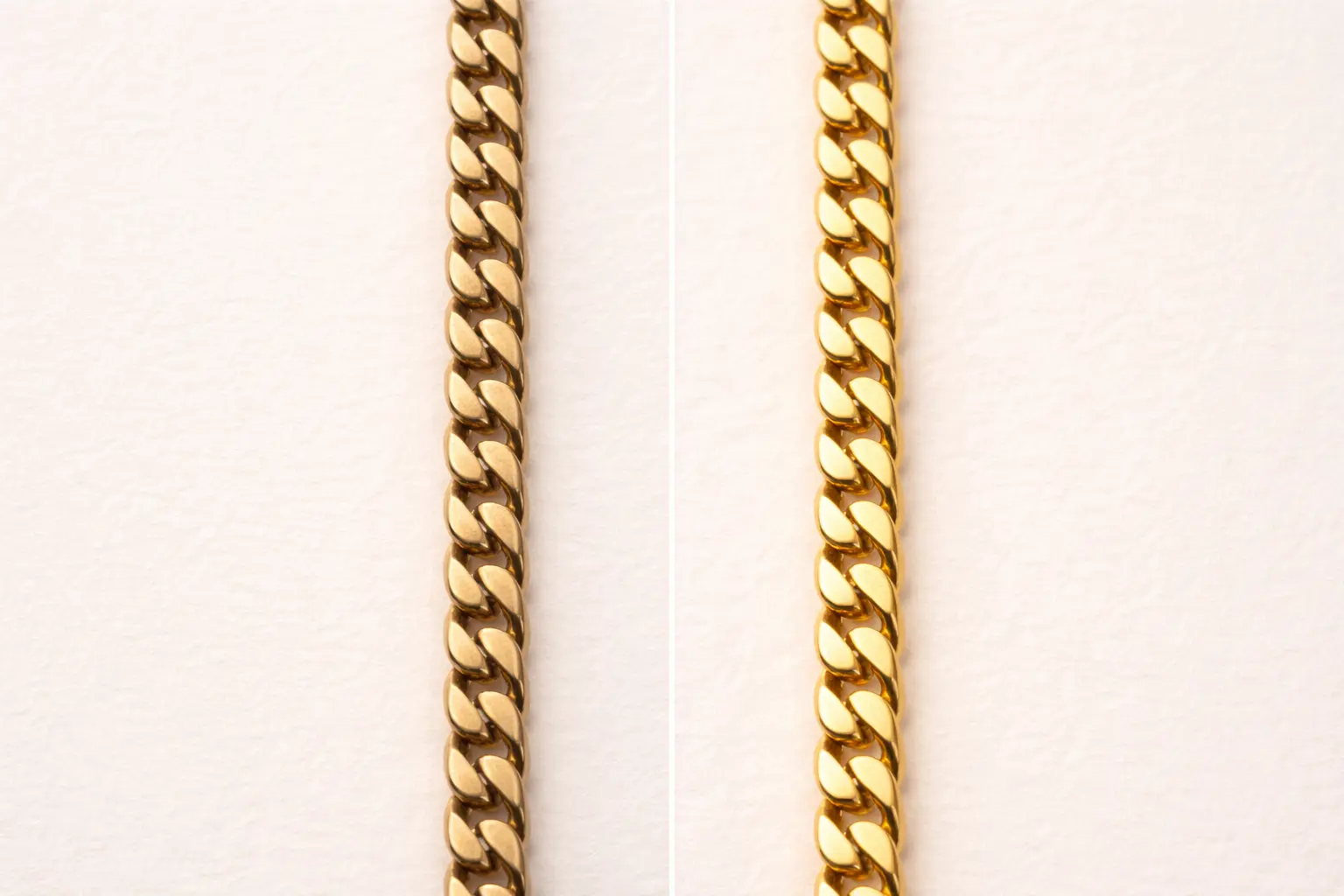
Depending on the alloy composition, tarnished gold can appear in several ways:
- Dull or hazy surface – the most common early sign, a loss of shine rather than discoloration
- Dark brown or black spots – typically from silver content in the alloy reacting with sulfur
- Greenish tint – from high copper content oxidizing, most common in rose gold or very low karat pieces
- Overall darkening – especially in lower karat pieces with more alloy metal
Rose gold tarnishes differently from yellow gold because of its higher copper content. It can develop a reddish-brown or darker rosy tone over time. White gold, which is often rhodium-plated, shows wear rather than tarnish. The rhodium layer wears through and the underlying yellowish alloy becomes visible.
What Causes Gold to Tarnish Faster
- Sweat and body oils from daily wear
- Perfume, hairspray, and cosmetics
- Chlorine (swimming pools are particularly damaging)
- Household cleaners and bleach
- Saltwater and humid coastal air
- Storing pieces loose together where they rub against each other
Frequently Asked Questions
Yes. Tarnish is a surface reaction and does not affect the gold content of a piece. A tarnished 14k ring has the same melt value as a polished one of the same weight.
No. Real 10k, 14k and 18k gold can all tarnish because they contain alloy metals. Only 24k pure gold is fully tarnish-resistant.
Yes, it can, but slowly. With 58.3% gold and 41.7% alloy metals, 14k gold is moderately resistant to tarnish but may show dullness over time without proper care.
No. Rust is iron oxide and gold contains no iron. Gold cannot rust under any conditions, though it can tarnish if it contains alloy metals.
Yes, and much faster than solid gold. The base metal beneath the thin gold layer tarnishes quickly once the plating wears through, often turning dark or green.
Usually not necessary. Gold buyers assess karat and weight, not appearance. A gentle clean to reveal the hallmark stamp is fine but deep polishing will not increase your payout.
No, if you are selling for melt value. Pawn shops and gold buyers pay based on gold content by weight, not condition. Tarnish has no effect on what they offer.
Tarnished gold typically looks dull or hazy, with possible dark brown or black spots. Rose gold may develop a reddish-brown tint. Green discoloration usually signals high copper content or a gold-plated piece.